The Renaissance of Glycolysis: Beyond Energy Production
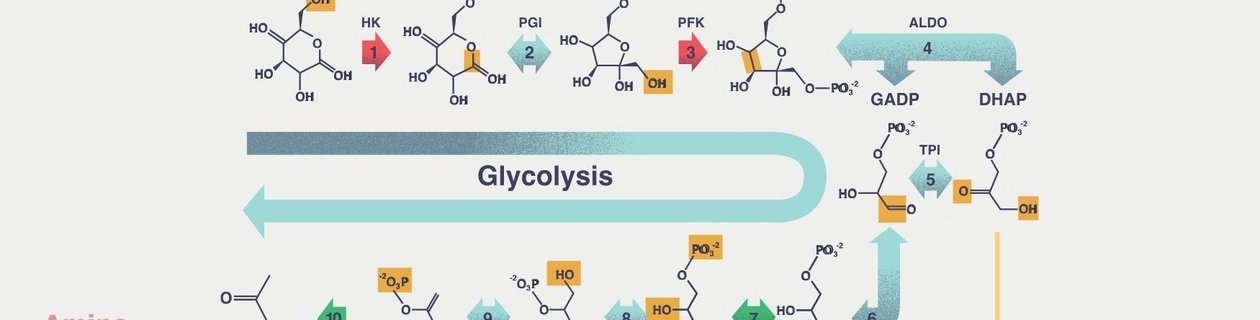
For decades, glycolysis was taught primarily as the "engine room" of the cell—a well-understood, housekeeping pathway responsible for converting glucose into energy. However, a recent comprehensive review published in Biological Reviews by Grüning et al. (2025) argues that we are witnessing a "return of metabolism." This renaissance shifts our understanding of glycolysis from a mere energy generator to a central regulator of cell physiology, signaling, and disease adaptation.
For analytical chemists and metabolomics researchers, this shift presents both an exciting opportunity and a significant technical challenge.
The review, titled "The return of metabolism: biochemistry and physiology of glycolysis", highlights that while the chemical map of glycolysis has been known for nearly a century, its regulatory complexity is only just being fully unraveled.
Grüning and colleagues (2025) detail how glycolytic enzymes do more than catalyze reactions; they act as sensors that dictate cell fate. This is particularly evident in the "Warburg Effect" in oncology, where cancer cells rewrite their metabolic wiring to prioritize rapid growth over efficient energy production. Furthermore, the review emphasizes the pathway's role in immune responses and stem cell differentiation, suggesting that metabolites themselves act as signaling molecules.
The Analytical Challenge: Capturing the Flux
Why is this relevant to the analytical workflow? Because understanding these dynamic processes requires more than just identifying metabolites; it requires precise quantification of flux and turnover.
Glycolytic intermediates are often highly polar, structurally similar, and undergo rapid turnover. To map these pathways accurately, researchers rely heavily on mass spectrometry (LC-MS and GC-MS). However, the biological variation in these studies is often subtle, meaning that technical variation must be minimized to see the true biological signal.
The Role of Automated Workflows in Metabolomics
As highlighted in the review, the complexity of metabolic regulation demands robust datasets. This is where the intersection of biology and advanced sample handling becomes critical.
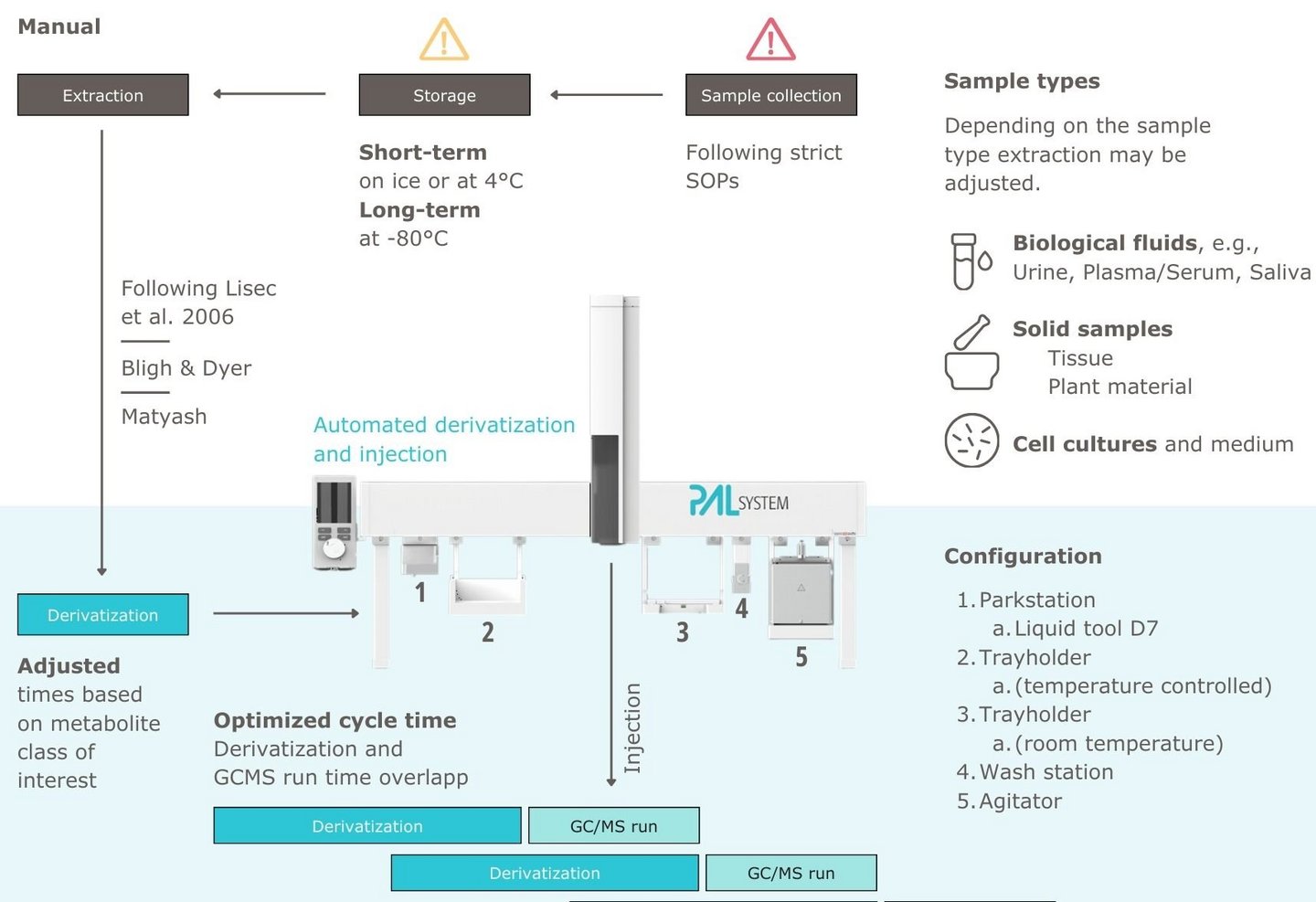
Analyzing central carbon metabolism often requires complex sample preparation steps:
Derivatization: Essential for GC-MS workflows to make polar sugar phosphates volatile.
Extraction: Precise Liquid-Liquid Extraction (LLE) or solid-phase extraction to isolate metabolites from complex biological matrices.
Quenching: Rapidly stopping metabolic activity to capture a snapshot of the cell's state.
Manual preparation in these workflows can introduce human error that obscures the delicate metabolic changes described by Grüning et al. Automation is not just about throughput; it is about reproducibility. By standardizing the handling time, reagent addition, and injection timing, Automated Sample Preparation ensures that the data reflects the physiology of the cell, not the variability of the pipette.
The "return of metabolism" reminds us that biochemistry is dynamic. As we dive deeper into the physiology of glycolysis, the demand for high-quality, reproducible metabolomics data will only grow. At PAL System, we observe this trend in the increasing complexity of the workflows our users are developing—moving beyond simple screening to in-depth metabolic profiling that drives new discoveries in cancer and immunology.
References:
Grüning, N.-M., Agostini, F., Caldana, C., Hartl, J., Heinemann, M., Keller, M. A., ... & Ralser, M. (2025). The return of metabolism: biochemistry and physiology of glycolysis. Biological Reviews. doi: 10.1111/brv.70104
For more information on automating metabolomics workflows, including derivatization and extraction, visit this interview.
Micromethods - Automated µSPE Cleanup for High-Throughput QuEChERS Analysis
If you're looking for ways to improve your analysis of complex matrices or trace contaminants, these expert-led sessions are for you
Tired of manual uSPE? See how a fully automated, miniaturized µSPE workflow provides a superior cleanup for tough matrices like fats, oils, and spices, helping you reduce instrument maintenance and improve reproducibility.
Standardized - From Study Design to Multi-Omics Integration in Metabolomics Workflows
We will discuss common pitfalls, things to look out for, especially in the pre-analytical phase, extractions (from monophasic to biphasic extractions) and talk about the integration of different -omics.
At a glance:
Challenges in metabolomics sample preparation and studies
Significance of standardized protocols and automation
Integration of metabolomics and proteomics workflows
The world of PFAS analysis is demanding, with tightening regulations and complex sample matrices pushing laboratories to their limits. This complimentary webinar series cuts through the noise, offering practical, expert-led guidance on how automated sample preparation can transform your workflows. Explore our webinars to learn how to boost sensitivity, ensure reproducibility, and tame the forever chemicals for good. We will touch on different sample workflows as well as spotlight different matrices, from food & food safety to environmental sample types.