Gloved hand holding a vial in a lab during Sample Prep for Derivatizations with molecule structures shown.

Automated Prep-ahead Derivatization

Automated Prep-ahead Derivatization

Automated Derivatization - Repeatability is Essential -

Derivatization reactions are the classic sample preparation steps in many chromatographic methods. Manual derivatization usually requires several handling steps, often involving hazardous reagents. PAL Systems provide in-time automated derivatization in prep-ahead mode right before analysis providing best reproducibility for large sample series, in particular required for metabolomics profiling. 

Automated Derivatization
  • Derivatization procedures for analytes are common for many chromatographic methods. The manual handling is laborious and a time-consuming process. Also, hazardous reagents are involved, and so are critical organic solvents.

  • The PAL System provides workflows for in-time and highly reproducible automated derivatization reactions. For pracical application there are virtually no limitations for the derivatization chemistry involved. Typical are the silylation, acetylation or methylation reactions for GC/MS, or the dansylchloride or FMOC reactions for LC/MS. 

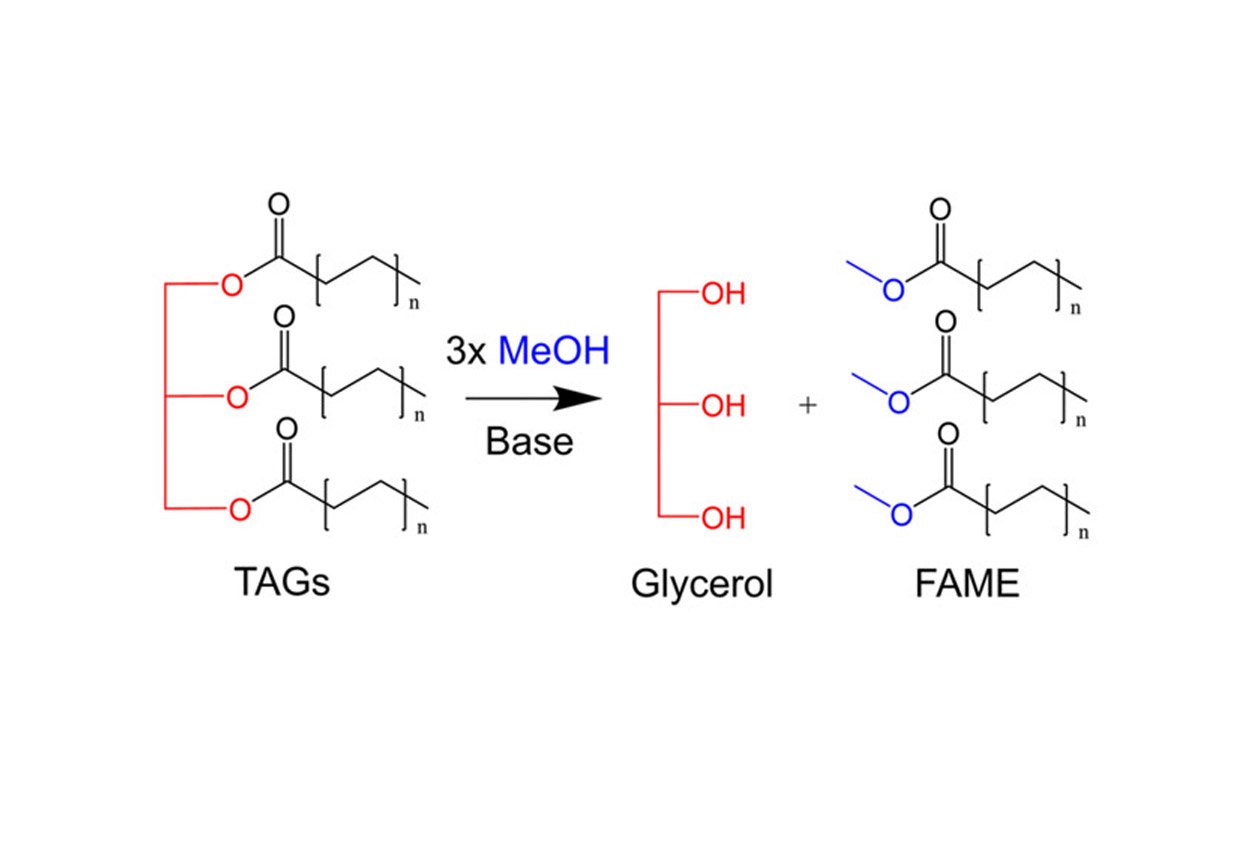
  • For the most used analytical derivatization in the food industry with the preparation of fatty acid methylesters (FAMEs) both popular reactions with the methylate transesterification and the saponification/BF3 catalyzed methylation are processed on a PAL System with standard workflows.

  • Also, the widely used 2-step derivatization for metabolomic profiling of large sample series in life sciences applications are available as standard workflows. 

  • Automated derivatization reactions on a PAL System highly benefit from unsurpassed reproducibility due to in-time reaction right before analysis and constant conditions for every sample.

References

Figure 1: Directed evolution of a genetically encoded immobilized lipase for the efficient production of biodiesel from waste cooking oil

Author: Bradley S. Heater et al
Publication: Biotechnology for Biofuels & Bioproducts
Publisher: Springer Nature
Date: Jun 28, 2019 (http://creativecommons.org/licenses/by/4.0/)


Related Content

Contact LinkedIn